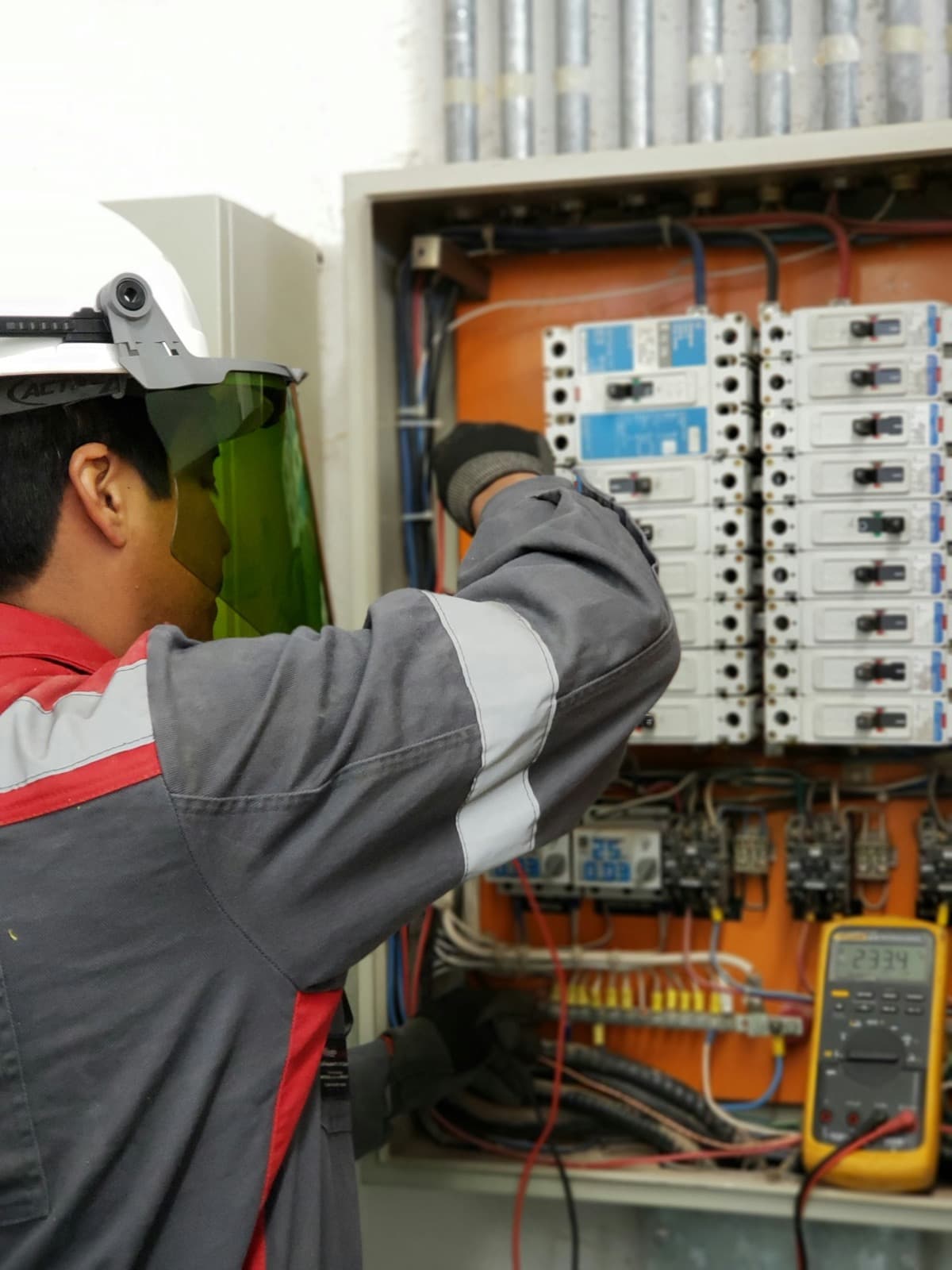
Cold Spring Harbor has electrical wiring older than the modern grid. Some homes here were built when whale oil lit the lamps — the Village was one of Long Island's busiest whaling ports in the 1800s — and traces of that century remain inside the walls. Original knob-and-tube wiring layered under cloth-insulated 1940s upgrades, layered under 1980s grounded retrofits, layered under whatever the last homeowner did before selling.
If you live in a pre-1900 home in this Village, the question isn't really "do I need an electrician?" — it's "do I have one who actually knows what they'll find when the wall opens?"
This guide is built around that question. Costs, vetting, and answers to what Cold Spring Harbor homeowners ask before they start.
What to Look For in a Cold Spring Harbor Electrician
For homes built in the 19th century or early 20th century, generic vetting checklists miss the mark. The five things that actually matter here:
1. Diagnostic patience for layered wiring
Cold Spring Harbor electrical jobs almost always start with diagnosis, not demolition. A good electrician spends a half-day mapping which circuits run on which wiring vintage before quoting a number. Contractors who skip this step end up with surprise change orders mid-project — and homeowners who skip it end up paying for them.
2. Knob-and-tube and cloth wiring experience
Pre-1900 homes often still have segments of original knob-and-tube wiring. It can't safely be buried in modern insulation, can't be extended with junction boxes the way modern Romex can, and isn't grounded. Working around it requires actual experience, not just code knowledge. Ask any contractor you're considering: "When was the last time you rewired a home with original knob-and-tube?" If the answer is anything other than a recent project they can describe, keep looking.
3. Marine-grade equipment knowledge
Cold Spring Harbor homes that sit close to the harbor — and many do — need outdoor electrical components rated for salt air. NEMA 4X enclosures, marine-grade outlets and disconnects, and corrosion-resistant grounding rods all cost more than standard equipment but last 5–10x longer near the water. A contractor who quotes you the same outdoor electrical package they'd use in inland Suffolk isn't paying attention.
4. Modern load planning for old infrastructure
Even if your home has been partially updated, the panel was likely sized for 1960s–80s appliance loads. Today's induction range, EV charger, whole-house generator, pool equipment, and central AC easily exceed a 100-amp service. Good electricians model your actual load before recommending a panel size — not just default to a 200-amp upgrade because that's what they always quote.
5. Plaster preservation
Older Cold Spring Harbor homes have plaster walls and ceilings, not drywall. Cutting through plaster the wrong way leaves cracks that radiate for years and cost thousands to repair. Electricians who specialize in older homes plan their wire routing to minimize wall openings and use techniques (small access holes, fishing wire through chases) that preserve as much original material as possible.
Cold Spring Harbor Electrical Cost in 2026
Three project types cover almost everything in the Village. The middle and large tiers come up far more often than service calls because of the housing age.
Whole-House Rewiring — $6,000 to $25,000+
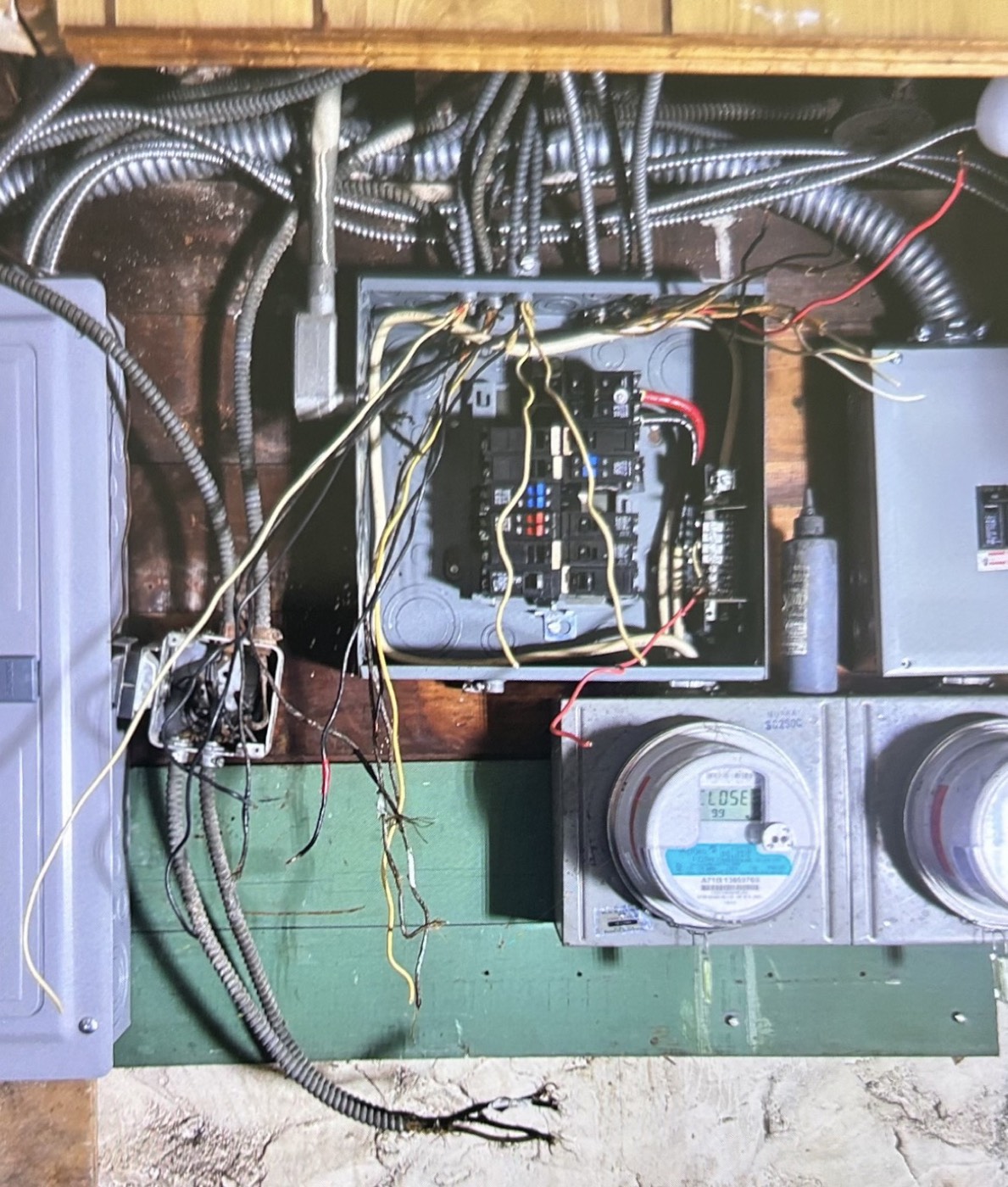
The most common Cold Spring Harbor project. Full or partial rewiring of homes with original knob-and-tube, cloth wiring, or 50-year-old grounded systems that no longer meet code or load needs. Includes new circuits, modern outlets and switches, panel upgrade, and tying in any subpanels for detached structures.
Best for: pre-1940 homes, especially anything with original wiring still in place. Whaling-era homes (~1800s) almost always fall in this category.
Timeline: 2 to 6 weeks depending on home size and how much of the work can be staged around occupancy.
Panel Upgrades and Dedicated Circuits — $1,500 to $6,000
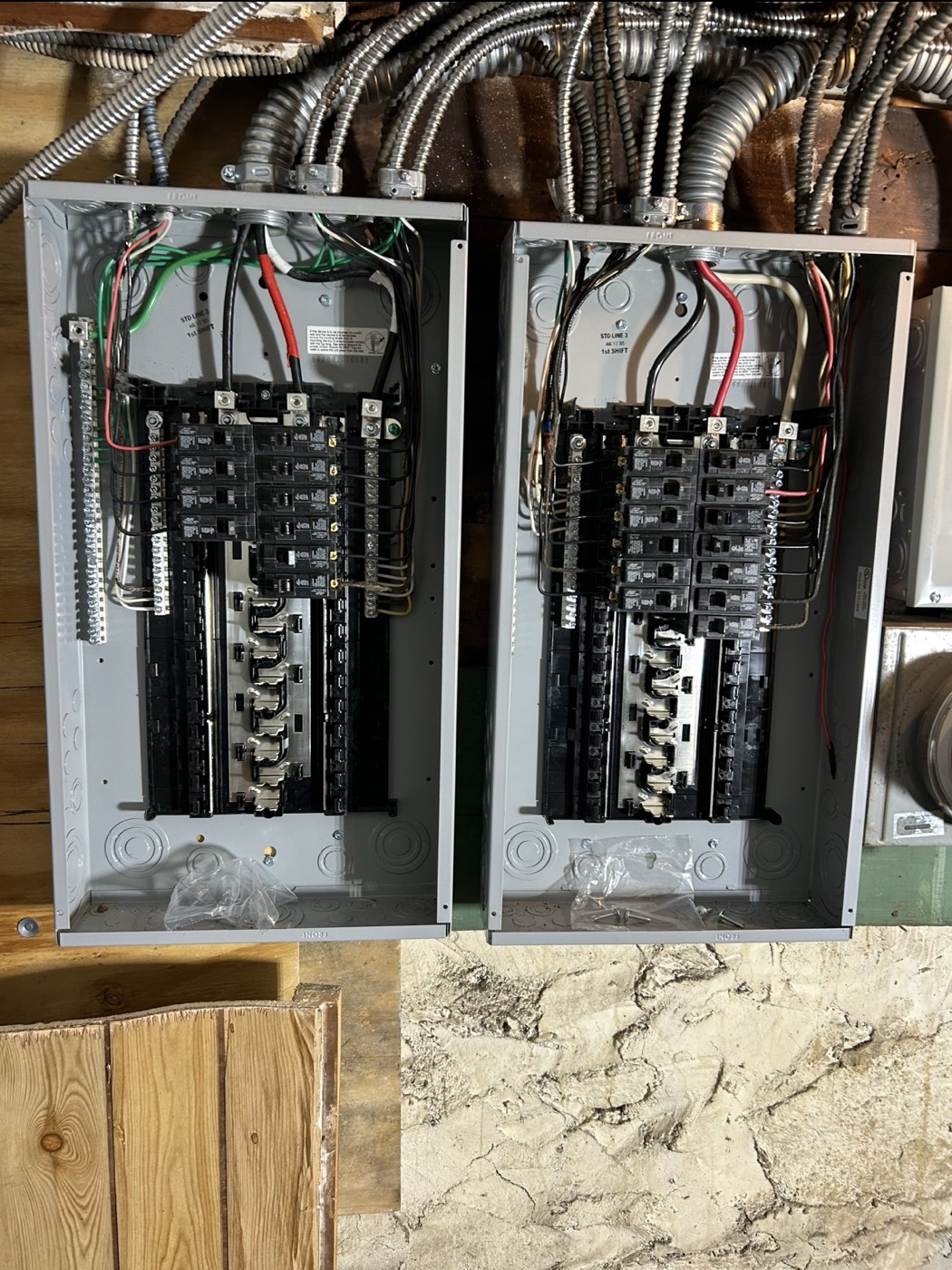
Standalone service-panel upgrades from 100-amp to 200-amp, plus dedicated circuits for EV chargers, generators, kitchens, or hot tubs. Less common as a standalone here because most homes that need a panel upgrade also need at least partial rewiring.
Best for: mid-century homes (1950s–80s) where wiring is generally serviceable but the panel is undersized.
Timeline: 1 to 3 days on-site plus utility coordination for the meter swap.
Service Calls and Repairs — $200 to $1,500
Diagnostic visits, fixture swaps, outlet replacements, GFCI additions, troubleshooting tripped circuits.
Best for: small one-off issues that don't open up larger questions about the home's electrical baseline.
Timeline: half-day to two days.
What Makes Cold Spring Harbor Different
Whaling-era housing stock. Cold Spring Harbor was one of Long Island's largest whaling ports in the mid-1800s, and the Village retains a high concentration of pre-1900 homes — far older than the average North Shore housing stock. These homes have been electrified, re-electrified, and partially rewired multiple times across generations, leaving wiring archaeology that takes patience to untangle.
Salt air and waterfront proximity. The harbor shapes daily reality for properties within a quarter-mile of the water. Outdoor electrical components corrode faster, dock and boat-lift wiring needs marine-grade specification, and code requires extra GFCI protection that some contractors quote at minimums and others quote at correct density.
Cold Spring Harbor Lab and the modern load. The Village is also home to Cold Spring Harbor Laboratory, a major genetics research institution. The town has an unusually high concentration of homes with home offices, server rooms, smart-home installations, and lab-equipment loads — which means panel upgrades here aren't just about appliances, but about supporting modern professional life inside historic walls.
The wiring patchwork is the rule, not the exception. Most Cold Spring Harbor homes built before WWII have at least three eras of electrical work running through their walls — original infrastructure, mid-century upgrades, and modern grounded retrofits. Diagnosing the layers correctly is what separates a $4,000 panel upgrade that solves the problem from a $4,000 panel upgrade that creates new ones.
Skip the Vetting — Work With R&F
If you'd rather work with a contractor who already checks the boxes above — licensed in New York State and Suffolk County, fully insured, and experienced with pre-1900 Suffolk North Shore homes — we'd love to hear about your project.
R&F General Contract Corp provides free on-site estimates with transparent line-item proposals, so you can see exactly where every dollar goes before making a decision.
Related reading
Related Services